Decolonized Authenticity: A French Caribbean Woman’s Thoughts on the Afro Indo Identity
All images courtesy of Wendy Bihary
written by Yasmina Victor-Bihary
“The question of identity is complex, but I assume that identity is not rigid. If you weren’t taught about your culture, you have a duty to learn it and to pass it on. My motto is: “decolonized authenticity.’” – Wendy Bihary-
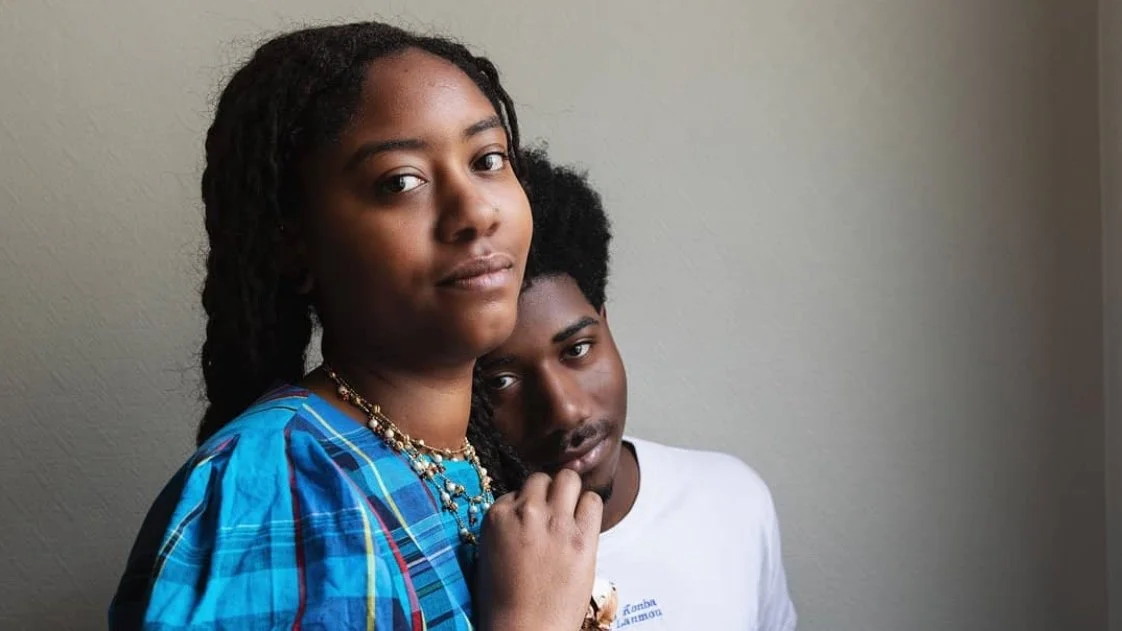
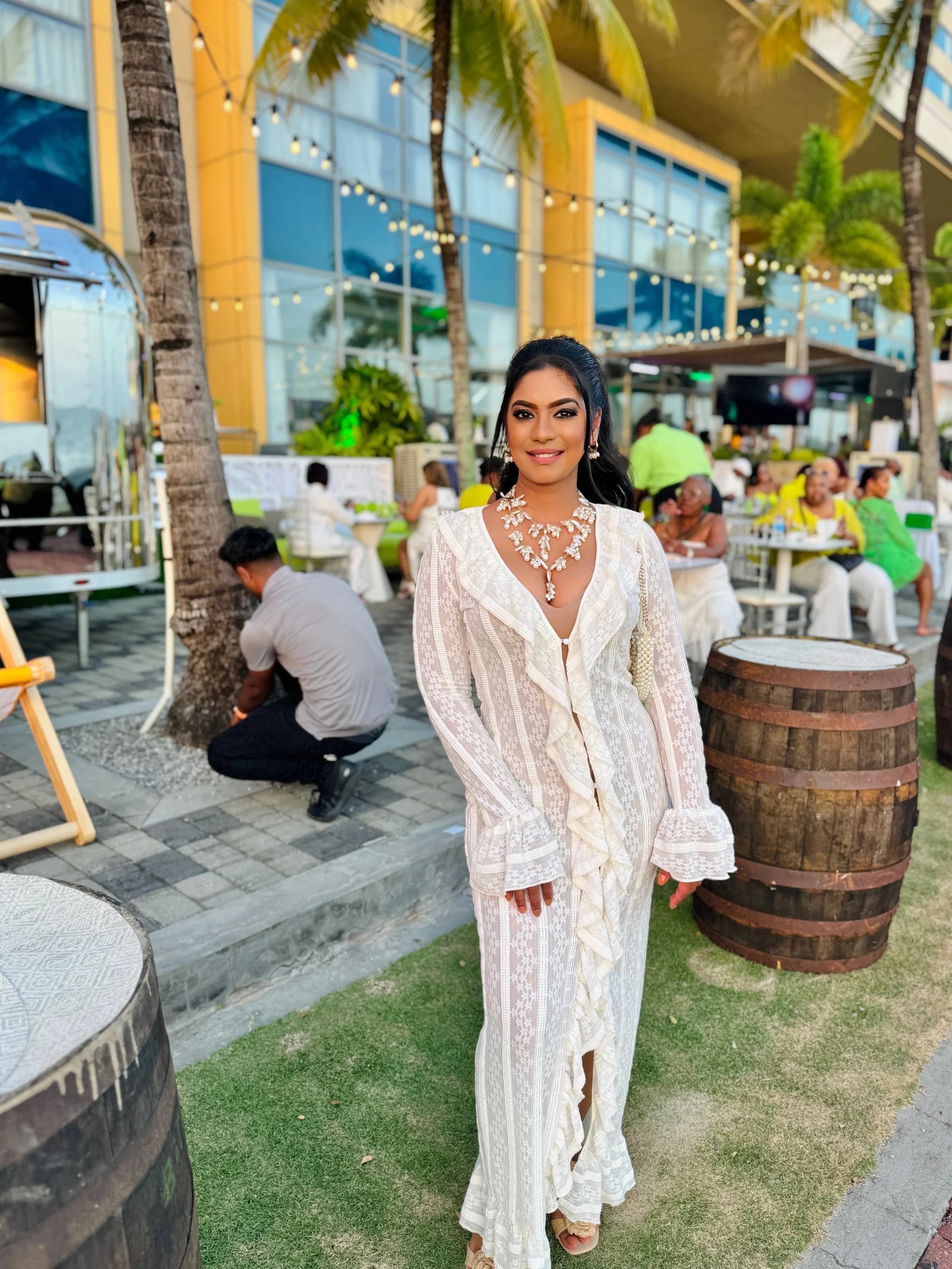
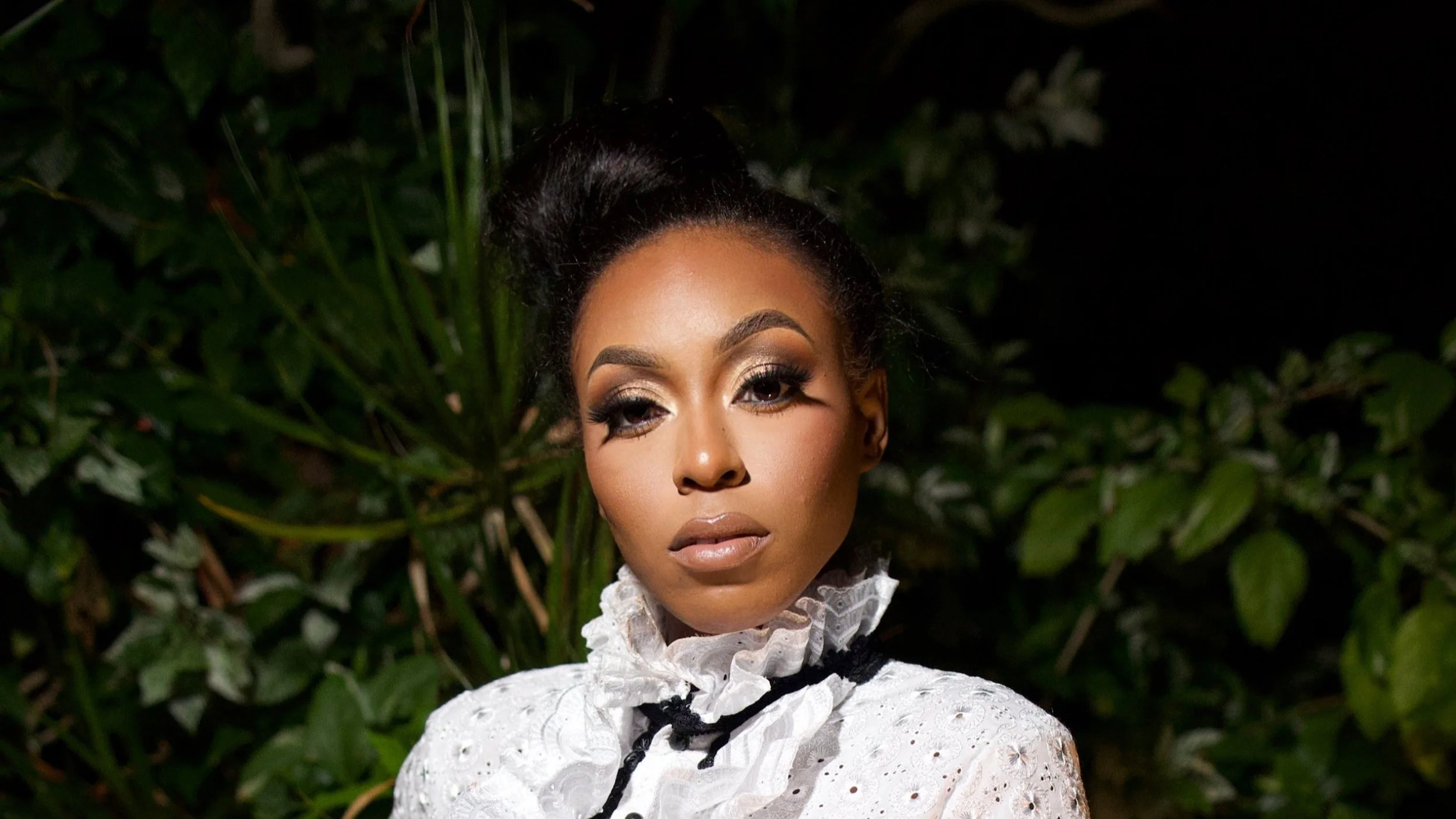
Meet Wendy Bihary, an Afro Indo French Caribbean woman with a unique identity. Her mother is from Martinique where she grew up and currently lives. Her dad is of Afro Indian descent from Guadeloupe. The double hyphenated identity has left Bihary reflecting on representation of unique identities.
“My identity has always been questioned because according to the majority, I have physical features which show this plurality in me. It has always been pointed out to me.”
Bihary emphasizes that there is a real lack of representation of the Afro Indo Caribbean identity. “There’s no word to name [us] in everyday language.” The Afro Indian people in French Caribbean islands are called “batazyndyen” (bastard) or “coolie chapé” –words that the Bihary describes as “pejorative.” Nonetheless they are everyday words spoken in Creole.
Bihary created an Instagram account to remedy the issue.
“In my opinion, there is a lack of real representation of [Martinician and Guadeloupan women] women on Caribbean platforms. I am nowhere, hence the creation of my Instagram account as a Black model —decolonized authenticity.”
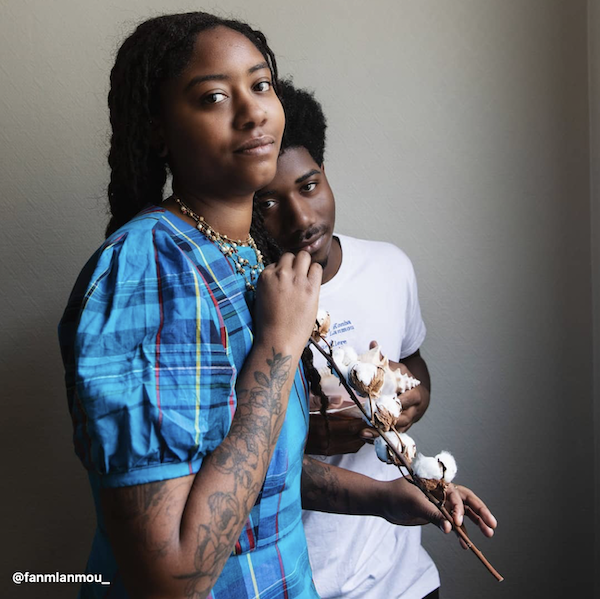
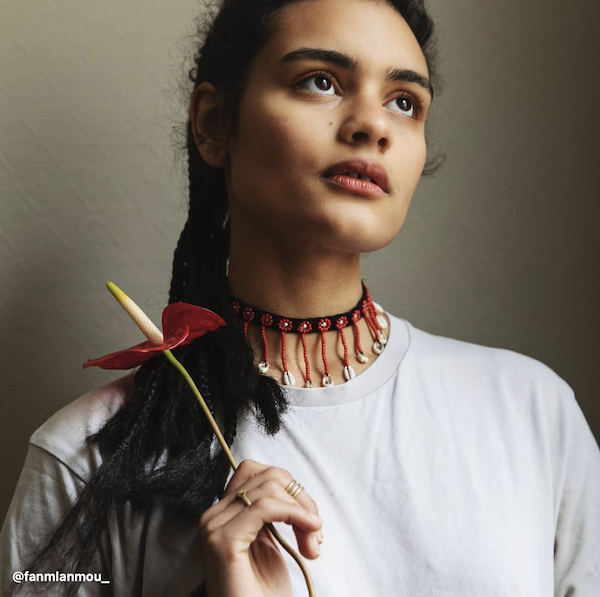
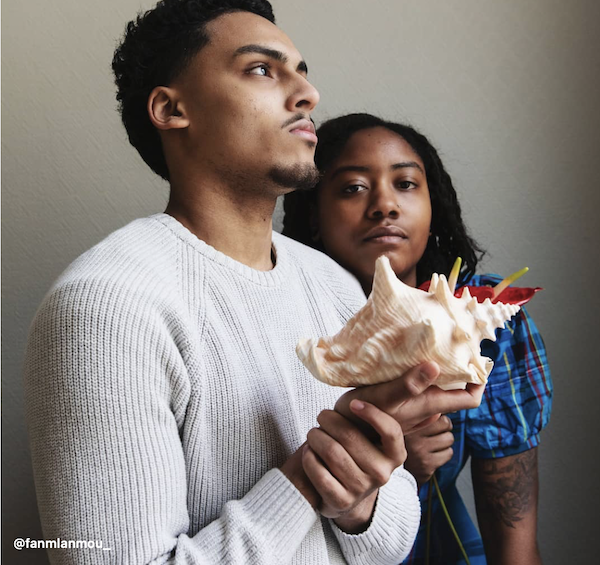
Her Instagram gallery features a digital portraiture space of Afro Indo French Caribbean models.
Bihary also spotlights a significant and common issue in post-slavering societies: colorism. “Too many among us seek to look like light-skinned people which has been imposed on us as the standard of beauty and no longer know who our ancestors were.”She maintains that present-day there is a growing population that seeks to resemble this colonized standard who no longer know what their ancestors looked like. Bihary maintains that platforms intended for Black people highlight individuals who are not black.“I often say that I wish to be like my ancestors. They are my models.”
Absence of historical accuracy and misrepresentation has affected narratives about history according Bihary.
“The original people, the ancient people of our countries were natives or Amerindians. That does not mean that the people of Martinique and Guadeloupe have ‘Amerindian origins’ –that is incorrect to say. Many play on the vagueness of our history and appropriate and assume Indian origins.”
By Indian Bihary is referring to South Asians that were tricked into indentureship and then dispersed throughout the Caribbean. This history is still misrepresented according to Bihary. While the “Békés” (descendents of the French colonizers) have major influence in Guadeloupe and Martinique, they are not the gatekeepers of accurate history-keeping.
This has led Bihary to advocate for autonomy and even independence.
“In Caribbean culture, we have everything to be independent, autonomous in our food — in all areas of our lives, because there is knowledge that we must learn and transmit. You should know that nothing is done by chance,our ancestors had a science, the science of nature maybe.’“
Although Bihary can identify with French cultures she says “...I speak the language of my oppressors. But all of these are parameters that I did not choose.I am above all an Afro Caribbean woman. ”
We are definitely offered something to chew on about identity as Caribbean women and Caribbean people. While Bihary assumes her multiple and complex identities without neglecting any part, it leaves us questioning the evolving notion of representation and decolonization.
READ MORE
Inside the Legacy of Desha Rambhajan-Malli: Trinidad’s Most Beloved News Anchor
Gen Z Founder Dalise Lockhart on Inspiration, Identity and Inclusivity
Bahamian Professor Returns to Clark Art Institute as a Research Fellow
Daughters of the West Indies: Remembering My Grandma Bebe and All our Unsung Sheroes